
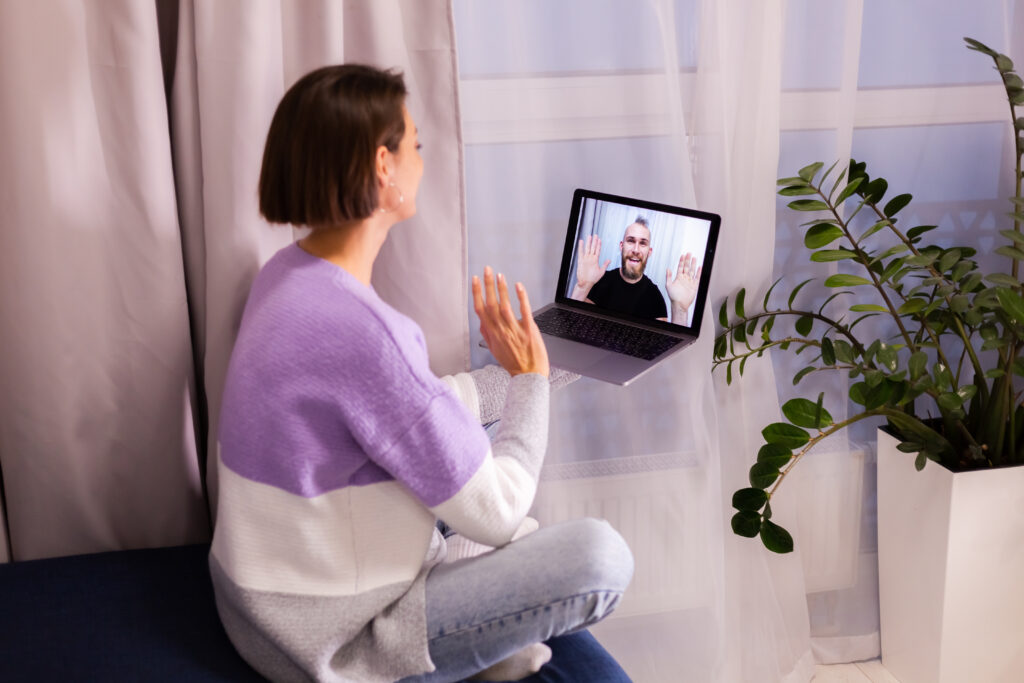
Long-distance relationships can test your patience, trust, and ability to communicate. It’s hard not seeing your partner every day. Love has to find new ways to stay strong.
It can take effort, such as late-night calls, thoughtful messages, exciting plans, and the belief that your relationship is worth the effort. The key is not simply to endure the distance, but to learn how to manage it together.
Many couples assume that distance will weaken their relationship, but that is not always true. In fact, distance can deepen the connection between both partners if they approach it with care and commitment.
Whether you’re a few cities or several time zones apart, these seven tips can help you maintain a healthy and connected long-distance relationship.
7 Tips to Make a Long-Distance Relationship Work
Making a long-distance relationship work takes effort from both partners. These seven tips can help you stay connected, build trust, and maintain a healthy relationship even when you are apart.

1. Communicate Consistently and Keep It Meaningful
Communication is the lifeline of a long-distance relationship. While staying connected is vital, it’s quality and not quantity that keeps love strong.
Instead of chatting aimlessly all day, focus on meaningful conversations that will help you understand each other’s feelings and experiences. Share how your day really went. What made you smile? What’s stressing you out? What was the best part of your day that you can’t wait to share with your partner?
A few simple practices can make a big difference:
- Set aside time for calls or video chats so you both have something to look forward to.
- Send random “thinking of you” messages throughout the day to stay emotionally present.
- Be honest about your moods and needs, as communication is not just about good news. It is also about feeling safe to be vulnerable with your partner.
Avoid over communication or constant texting out of fear. Love grows when both partners have the space to live their own lives and still choose to share them with each other.
2. Build Trust Because It Is the Foundation
In a long-distance setup, trust isn’t optional, it’s vital. Without it, every missed call or delayed reply can spiral into unnecessary anxiety.
Building trust means being transparent, reliable, and secure within yourself.
- Be consistent with your actions and promises.
- Keep your partner informed about your plans, not because you have to “report” to them, but because it shows you care.
- Address jealousy or insecurities early instead of letting them build up.
Remember, trust doesn’t just mean not cheating, it’s about emotional honesty. When both partners feel safe enough to express their doubts, fears, and loneliness without judgment, they strengthen their bond instead of straining it.
3. Keep the Spark Alive With Creative Connection
Just because you’re apart doesn’t mean romance has to fade. In fact, distance can even bring out your creative side.
Here are a few ways to keep the spark glowing:
- Schedule virtual movie nights or cook the same recipe while on a video call. You can even eat dinner together if your schedule permits.
- Send handwritten letters or small surprise gifts that show thoughtfulness.
- Keep a shared playlist, digital scrapbook of fun memories or a countdown to your next reunion where you tick off each day as the date gets closer.
- Try writing each other weekly “mini love letters” like short reflections on what you appreciate about your partner.
Romance in long-distance relationships isn’t about the grand gestures, but about effort, creativity, and showing that you’re thinking of each other even when you’re apart.
4. Plan Visits and Shared Experiences
Visits can help couples maintain emotional closeness and give both partners something meaningful to look forward to. They also provide valuable time to reconnect in person.
Try to plan your next visit before the current one ends. Having something to look forward to reduces anxiety and gives you both motivation during hard days.
When you’re together:
- Make time for meaningful experiences instead of rushing to do everything at once.
- Revisit your favorite memories or explore something new as a couple.
- Have open, honest conversations about what’s working and what isn’t.
Physical presence helps rekindle emotional intimacy, so even short visits matter more than you think.
5. Stay Independent, Yet Emotionally Invested
One of the biggest mistakes people make in long-distance relationships is losing themselves in it. While your partner is an important part of your life, they shouldn’t be your entire life.
Use the distance to rediscover who you are individually. Pursue new hobbies, friendships, and goals that make you happy outside the relationship. Independence keeps you confident and grounded. Maintaining your own interests can also help you feel more confident and balanced within the relationship.
At the same time, stay emotionally involved. Send photos of interesting things you may be doing, share achievements, or vent about your challenges. The balance of independence and emotional investment keeps the relationship healthy and not heavy.
6. Talk About the Future and Your Shared Goals
Uncertainty can quietly creep up in even the strongest relationships. That’s why it’s important to talk about the future. Having a shared plan gives you both a sense of direction and hope.
Discuss things like:
- Where you see the relationship going in a year or two.
- Whether one of you plans to move elsewhere or together eventually.
- What compromises you’re both open to making.
You don’t need to have all the answers immediately. You just need the willingness to build a vision together. When both partners agree on their long-term goals, distance feels temporary instead of endless.
7. Set Clear Expectations and Healthy Boundaries
Distance can blur lines and breed misunderstandings if you don’t know what’s acceptable or what each other’s needs are. Setting clear expectations and healthy boundaries early on can help a lot.
Talk openly about what commitment looks like to both of you, and be honest about your comfort zones. Setting boundaries isn’t about controlling each other, but about creating mutual respect and emotional safety.
Here’s what to discuss:
- Communication frequency: How often do you want to talk or video call? What feels like too little or too much?
- Social boundaries: What kind of interactions with others make you feel secure or uncomfortable?
- Conflict resolution: How will you handle disagreements when you can’t meet in person?
- Future goals: What’s your vision for eventually closing the distance?
- Personal space: How can each of you maintain individuality while still staying emotionally connected?
When expectations are clear, you reduce unnecessary tension and make the relationship feel stable and secure.
Don’t Hesitate to Seek Help When It Feels Hard
Long-distance relationships can bring challenges that are difficult to solve on your own. If communication, trust, or emotional closeness becomes difficult, professional support can give couples a safe place to work through these concerns.
Couples therapy can be a safe space to navigate the challenges that distance brings. A counselor can help you understand your communication patterns, manage insecurities, and rebuild emotional closeness. It’s not just for “troubled” couples, but for any couple that wants to grow stronger together.
Why Couples Choose Dr. Christopher Joaquim
Dr. Christopher Joaquim has more than 21 years of experience working with individuals and couples facing communication problems, conflict, emotional distance, and relationship challenges.
His approach focuses on helping couples:
- Improve communication and understand each other better
- Build trust and emotional connection
- Manage disagreements in healthier ways
- Understand their relationship patterns
- Develop practical tools for everyday relationship challenges
Dr. Joaquim provides a supportive space where couples can talk openly about their concerns and work toward meaningful changes.
If distance has created communication problems, insecurity, or emotional disconnection in your relationship, professional support can help you understand what is happening and explore the next steps together.
Conclusion
A long-distance relationship can be challenging, but physical distance does not have to create emotional distance.
When both partners communicate openly, build trust, respect each other’s independence, and make time for meaningful connection, the relationship can continue to grow even when you are apart.
You may not be able to control the distance, but you can choose how you handle it together. Small efforts, honest conversations, shared plans, and consistent support can make a meaningful difference.
If communication or trust has become difficult, you do not have to work through it alone. Dr. Christopher Joaquim can help couples understand their relationship patterns, improve communication, and build a stronger emotional connection.
Frequently Asked Questions
Yes. A long-distance relationship can work when both partners communicate openly, trust each other, and make a consistent effort to stay emotionally connected.
There is no fixed amount of communication that works for every couple. Partners should discuss how often they want to call, text, or video chat and find a routine that works for both.
Be honest, keep your promises, communicate clearly, and talk about concerns instead of allowing jealousy or insecurity to build up.
Couples can plan virtual dates, watch movies together, send thoughtful messages, write letters, share playlists, or plan surprises. Small efforts can help maintain emotional closeness.
Talk openly about what is making you feel insecure instead of accusing your partner. Understanding each other’s concerns and setting healthy boundaries can help build trust.
Yes. Talking about future goals can give the relationship direction. Couples can discuss where they want to live, whether they may eventually move closer, and what they both want from the relationship.
Try to create a communication routine that works for both partners. Being flexible and planning calls in advance can make it easier to stay connected.
Couples may consider therapy when repeated arguments, trust issues, communication problems, or emotional distance are affecting the relationship and they are struggling to resolve these concerns together.
Yes. Depending on the therapist’s services, couples may be able to attend therapy online. Therapy can help partners improve communication, understand each other’s needs, and work through relationship challenges.
Talk honestly with your partner about what you are experiencing and discuss what changes may help. If the problems continue, couples therapy can provide additional support and guidance.