
Healing the Emotional Distance Between You and Your Partner
Every relationship, no matter how strong, faces moments of misunderstanding and conflict. reubilding trust after a fight becomes essential because When a fight happens, it can leave behind more than just hurt feelings. It can shake trust, create emotional distance, and make even the closest partners feel disconnected.
Every relationship, no matter how strong, faces moments of misunderstanding and conflict. rebuilding trust after a fight becomes essential because when a fight happens, it can leave behind more than just hurt feelings. It can shake trust, create emotional distance, and make even the closest partners feel disconnected.
But the truth is, rebuilding trust after a fight is not only possible, it can bring you closer than before. Trust is like emotional glue that holds a relationship together. It’s built through honesty, vulnerability, and consistent care. When couples learn to repair it consciously, they often discover new levels of empathy and understanding.
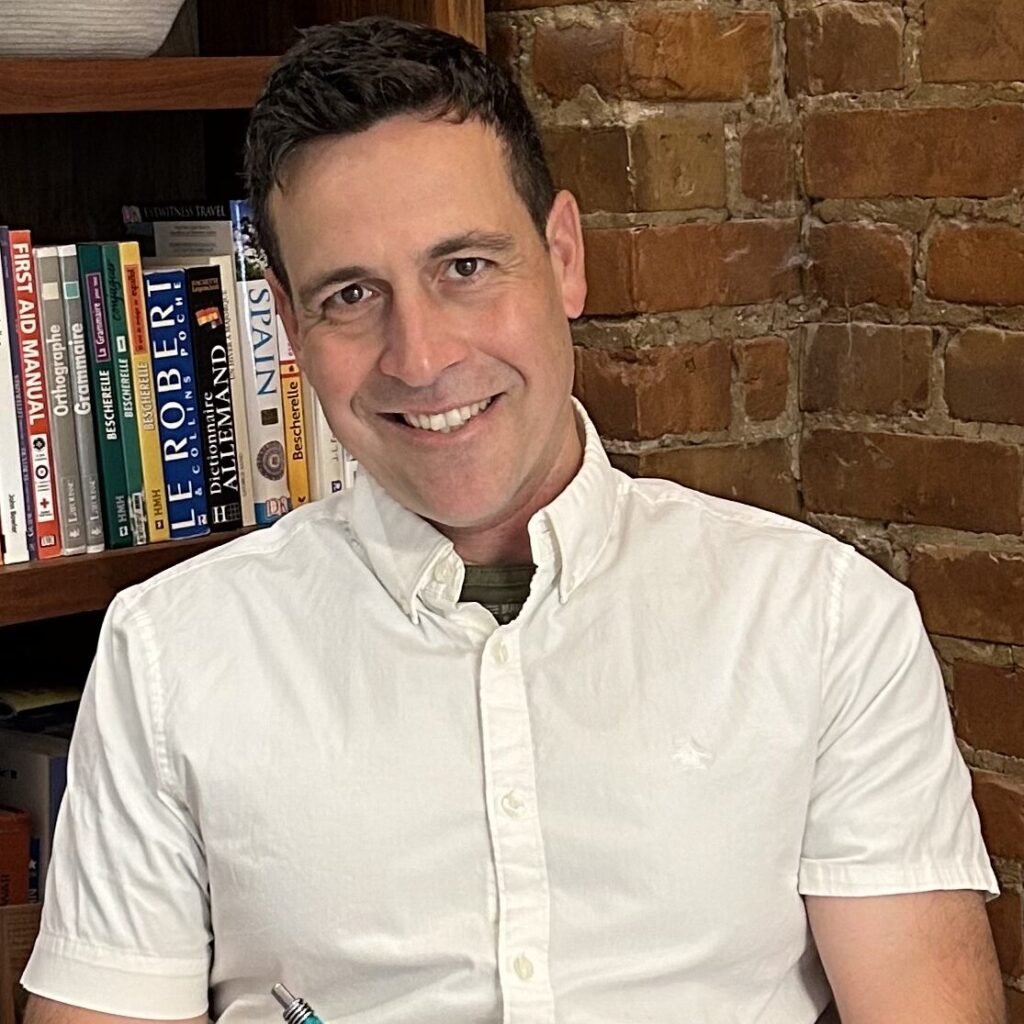
As Dr. Christopher Joaquim often reminds his clients, conflict itself is not the problem; what truly matters is how partners reconnect after the conflict. The way you repair emotional wounds sets the tone for long-term intimacy and security.
Here are seven therapist-guided ways to rebuilding trust after a fight and strengthen the foundation of your relationship.
Acknowledge What Happened Without Defensiveness

After a fight, it’s natural to want to explain your side or defend your actions. But when both partners are trying to be “right,” no one truly feels heard. The first step to rebuilding trust is acknowledging the impact of your words or behavior without excuses.
Saying something like, “I can see how my tone hurt you, even though that wasn’t my intention,” opens the door to emotional safety. It shows that you care more about how your partner feels than about proving your point.
Defensiveness blocks understanding. Accountability, on the other hand, rebuilds trust. When you take responsibility for your part in the conflict, you help your partner feel validated and seen.
Dr. Joaquim often guides couples through exercises that focus on reflection rather than reaction. This helps each partner slow down, recognize their emotional triggers, and take ownership of their behavior. True healing starts when both people feel safe to express pain without fear of judgment.
Give Space for Emotional Processing
After an argument, emotions often run high. Trying to “fix” things immediately can sometimes do more harm than good. Both partners need space to calm down, reflect, and process what happened.
This doesn’t mean creating emotional distance or ignoring your partner. It means giving each other time to breathe before re-engaging in meaningful conversation. When you return to the discussion, you’ll both be more grounded and ready to listen.
A simple phrase like, “I care about us and want to talk when we’ve both had time to think,” reassures your partner of your commitment while allowing space for calm reflection. This space is especially important when rebuilding trust after a fight.
In therapy sessions, Dr. Joaquim encourages couples to develop emotional regulation skills, such as mindful breathing or short breaks, that prevent arguments from escalating. These small pauses help transform heated exchanges into thoughtful communication.
Listen with Empathy and Presence
Trust can’t be rebuilt without empathy. Once you’re both ready to talk, focus on truly listening to your partner’s perspective. This means putting aside your defenses and being fully present.Make eye contact, listen without interrupting, and reflect back what you hear. Phrases like, “It sounds like you felt dismissed when I walked away during the argument,” can go a long way in showing understanding.
Active listening is not about agreeing with everything your partner says; it’s about letting them know their feelings matter. When someone feels heard, their emotional guard begins to lower.
Dr. Joaquim often teaches that listening with empathy transforms communication patterns in relationships. When both partners feel understood, emotional repair becomes possible, and trust naturally begins to grow again.
Communicate Your Feelings Honestly but Gently

After a fight, it’s important to express your emotions, but how you express them matters. Using harsh or blaming language can reopen wounds, while gentle honesty can promote healing.
Instead of saying, “You never listen to me,” try expressing, “I felt ignored when my feelings weren’t acknowledged.” This approach focuses on your experience rather than placing blame.
Honest communication rebuilds emotional transparency, which is the foundation of trust. It helps both partners see each other as allies rather than opponents.
In his practice, Dr. Joaquim helps couples learn how to use “I statements” to express vulnerability instead of frustration. When both people speak from a place of authenticity, they move from accusation to connection.
Reaffirm Your Commitment Through Actions
After an apology or resolution, the real rebuilding happens through consistent actions. Trust is restored when words and behavior align over time.
Show reliability in small ways. Keep your promises, follow through on what you say, and be emotionally available when your partner reaches out. These daily gestures communicate, “You can count on me.”
Even small acts, like sending a thoughtful message, spending quality time together, or checking in emotionally, can reinforce the sense of safety that was shaken during the fight.
Dr. Joaquim emphasizes that trust repair doesn’t rely on grand gestures. It’s the accumulation of everyday kindness, attentiveness, and dependability that restores security. Over time, these consistent actions help the relationship feel stable again.
Learn from the Conflict
Every disagreement holds valuable insight into your relationship. Once the emotional intensity has subsided, take time to reflect together on what the conflict revealed.
Ask questions such as:
- What triggered the argument?
- What deeper needs or fears were underneath it?
- How can we handle similar situations differently in the future?
This reflection turns conflict into growth. It allows both partners to understand each other’s emotional landscapes better and develop healthier communication patterns.
In therapy, Dr. Joaquim helps couples identify recurring cycles, such as patterns of avoidance, criticism, or withdrawal, that often fuel misunderstandings. Recognizing these patterns empowers couples to make conscious changes rather than repeating old habits.
Learning from the conflict doesn’t mean you’ll never fight again. It means that when disagreements happen, you’re better equipped to repair them with compassion and understanding.
Rebuild Intimacy Slowly and Authentically
Once trust begins to heal, intimacy can gradually return. But emotional closeness should never be forced or rushed. It’s rebuilt through openness, affection, and genuine care.
Start with small steps — a kind gesture, a warm hug, a shared laugh. As emotional safety returns, deeper forms of connection will naturally follow.
Intimacy is not just physical; it’s about emotional attunement and feeling safe to be vulnerable again. It’s about knowing that despite the argument, your partner still chooses you and values the relationship.
Dr. Joaquim often reminds couples that rebuilding intimacy is a process of re-connection. By being patient and showing consistent love, you create a nurturing environment where trust can thrive again.
When to Seek Professional Help

Sometimes, fights reveal deeper issues, old wounds, communication breakdowns, or trust deficits that have been building over time. In such cases, seeking professional help can make all the difference.
Working with a couples therapist provides a neutral, supportive space where both partners can express themselves freely and learn practical strategies to rebuild connection. Therapy helps uncover root causes of conflict and teaches tools for emotional regulation, communication, and empathy.
Dr. Christopher Joaquim specializes in helping couples navigate emotional disconnection and rebuild trust after conflict. Through evidence-based approaches and compassionate dialogue, he helps partners rediscover safety, understanding, and renewed closeness in their relationship.
Real-Life Example: Turning Conflict into Connection
A couple once came to therapy after a heated argument that left them barely speaking for weeks. The husband felt unheard, while the wife felt emotionally shut out. During their sessions, they learned how to slow down their reactions, listen empathetically, and express needs without blame.
Over time, their communication began to shift. What used to lead to anger now opened conversations about fear, insecurity, and care. The same conflict that once divided them became the turning point for deeper intimacy.
Their story illustrates that even after painful arguments, trust can be rebuilt when both partners are willing to grow, listen, and love with intention.
Final Thoughts
Rebuilding trust after a fight is not about erasing what happened, it’s about learning from it and choosing to grow together. Every apology, every act of listening, and every moment of vulnerability lays another brick in the foundation of safety and connection.
Conflict is a natural part of relationships, but healing after conflict is a choice. When you approach that process with empathy, accountability, and love, you give your relationship the strength to endure and thrive.
If you and your partner are struggling to reconnect after a fight, remember that you don’t have to do it alone. With professional guidance and emotional honesty, it’s possible to not only rebuild trust but also deepen the love that brought you together in the first place.