
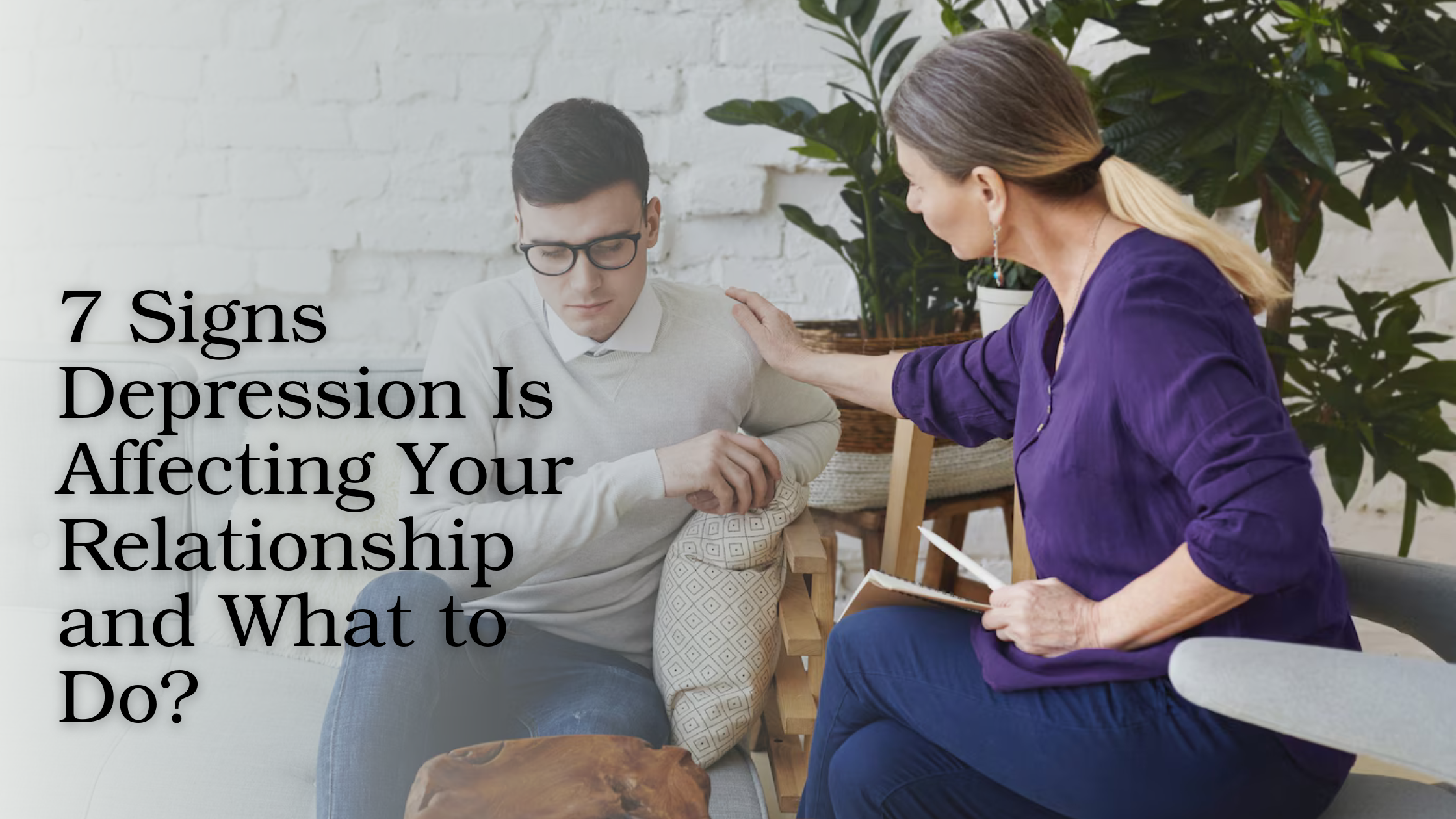
Depression rarely exists in isolation. While it is often experienced internally, its impact almost always extends into close relationships. Romantic partners may sense that something feels “off” long before they understand what is happening. Communication becomes strained, emotional closeness fades, and conflicts feel harder to resolve. Over time, both partners may feel disconnected, misunderstood, or emotionally exhausted.
When depression affects a relationship, it does not mean love is gone or that the relationship is failing. It means one or both partners are navigating a mental health condition that requires awareness, compassion, and intentional support. Recognizing the signs early allows couples to respond with care rather than blame and take steps toward healing together.
Below are seven common ways depression can show up in relationships, along with guidance on what couples can do when these patterns appear.
1. Emotional Withdrawal and Reduced Intimacy

Emotional withdrawal is often one of the earliest and most confusing signs of depression in a relationship. A partner experiencing depression may seem distant, less expressive, or emotionally unavailable. This withdrawal is rarely intentional. Depression can make it difficult to access emotions, articulate feelings, or engage in meaningful connection.
Common signs of emotional withdrawal include:
- Less interest in conversations or shared activities
- Reduced affection, both verbal and physical
- A tendency to isolate or spend more time alone
- Difficulty responding emotionally, even during important moments
For the non-depressed partner, this can feel like rejection or loss of love. They may wonder if they did something wrong or if the relationship no longer matters. In reality, depression often dulls emotional responsiveness and drains the energy needed for connection.
What To Do:
What helps is separating the symptom from the relationship itself. Gentle check-ins, reassurance without pressure, and patience can make a meaningful difference. Encouraging professional support while maintaining emotional availability helps prevent withdrawal from becoming a permanent emotional distance.
2. Increased Irritability and Conflict
Depression does not always look like sadness. For many people, it manifests as irritability, frustration, or emotional reactivity. Small issues can trigger disproportionate reactions, leading to frequent arguments or tension. Partners may find themselves walking on eggshells, unsure what will cause the next conflict.
You may notice:
- Arguments escalating quickly over minor issues
- A lower tolerance for stress or disagreement
- Defensive or critical communication
- Lingering resentment after conflicts
These patterns can erode trust and emotional safety over time. The depressed partner may feel overwhelmed by guilt after outbursts, while the other partner may feel hurt or emotionally unsafe.
What To Do:
What helps is slowing down conflict cycles. Couples benefit from:
- Pausing heated conversations rather than forcing resolution
- Using calm, non-accusatory language
- Focusing on emotions beneath the anger rather than the argument itself
Therapy can be especially valuable here, helping couples understand how depression affects emotional regulation and learn healthier ways to navigate conflict together.
3. Loss of Interest in Shared Activities
A noticeable loss of interest in activities once enjoyed together can be deeply painful in a relationship. Depression often causes anhedonia, the inability to feel pleasure. As a result, date nights, hobbies, and shared routines may feel exhausting or meaningless to the depressed partner.
This may look like:
- Canceling plans frequently
- Showing little enthusiasm for quality time
- Preferring isolation over shared experiences
- Disengaging during activities that once brought joy
The non-depressed partner may interpret this as a lack of effort or commitment. However, depression often makes even enjoyable activities feel like burdens rather than pleasures.
What To Do:
Instead of pressuring a partner to “try harder,” it helps to:
- Adjust expectations temporarily
- Focus on low-effort connection, such as sitting together or short walks
- Validate the struggle without minimizing it
Rebuilding shared joy takes time and often happens gradually as mental health improves.
4. Communication Breakdown
Depression can significantly disrupt communication in relationships. A depressed partner may struggle to articulate thoughts, express needs, or respond emotionally. Conversations that once felt easy may now feel strained, repetitive, or avoidant.
Signs of communication difficulties include:
- Short or vague responses
- Avoidance of serious conversations
- Difficulty expressing emotions clearly
- Misinterpretation of tone or intent
This breakdown can leave both partners feeling unheard and misunderstood. The non-depressed partner may push for clarity, while the depressed partner may feel overwhelmed or shut down further.
What To Do:
What helps is shifting from problem-solving to understanding. Using open-ended questions, allowing silence, and validating feelings even when solutions are unclear can restore a sense of connection. Couples therapy provides a structured space to rebuild communication in a supportive, guided way.
5. Changes in Physical Intimacy
Depression frequently affects physical intimacy, including sexual desire and affection. Hormonal changes, fatigue, low self-esteem, and emotional numbness can all contribute to decreased libido or avoidance of touch.
Common changes include:
- Reduced sexual interest or activity
- Avoidance of physical closeness
- Increased self-consciousness or shame
- Feeling disconnected during intimacy
These changes can create feelings of rejection or insecurity in the relationship. Without open communication, partners may internalize the distance and assume it reflects a lack of attraction or love.
What To Do:
Addressing intimacy issues requires sensitivity and honesty. Couples benefit from:
- Talking openly about changes without blame
- Reassuring one another of emotional commitment
- Understanding that intimacy often returns gradually with healing
Professional guidance can help couples navigate this delicate area with compassion.
6. Unequal Emotional or Practical Burden
When one partner is depressed, the other often takes on more emotional or practical responsibility. While support is a natural part of relationships, long-term imbalance can lead to burnout, resentment, or emotional exhaustion.
This imbalance may show up as:
- One partner managing most household or parenting tasks
- Emotional caretaking becoming one-sided
- Neglect of the supporting partner’s own needs
- Feelings of guilt for needing space or rest
What To Do:
Healthy support does not mean self-sacrifice. Couples need to recognize limits and ensure both partners’ needs matter. Therapy can help partners renegotiate roles, set boundaries, and prevent caregiver fatigue while still offering meaningful support.
7. Hopelessness About the Relationship’s Future
Depression often brings a sense of hopelessness that can extend to the relationship itself. A depressed partner may express doubts about the future, question the relationship’s value, or feel undeserving of love.
This may sound like:
- “You’d be better off without me”
- “I don’t see how things will ever get better”
- “What’s the point of trying?”
These statements can be frightening and emotionally painful for the other partner. It is important to recognize that hopelessness is a symptom of depression, not a reflection of the relationship’s actual worth.
What To Do:
What helps is addressing depression directly rather than debating the relationship. Encouraging professional treatment, offering reassurance without arguing, and staying emotionally present can help counter feelings of despair over time.
Conclusion
Depression can quietly reshape a relationship, affecting communication, intimacy, and emotional connection in ways that are often misunderstood. Recognizing these signs is not about assigning blame, but about creating awareness and compassion. When couples understand how depression influences behavior and emotional availability, they are better equipped to respond with patience rather than hurt.
Healing is possible. With open communication, professional support, and a shared commitment to understanding one another, relationships can not only survive depression but grow stronger through the process. Couples who face depression together often develop deeper empathy, resilience, and emotional intimacy than they had before.
If depression is affecting your relationship, seeking help is not a sign of weakness. It is a step toward protecting both your mental health and the relationship you value.