
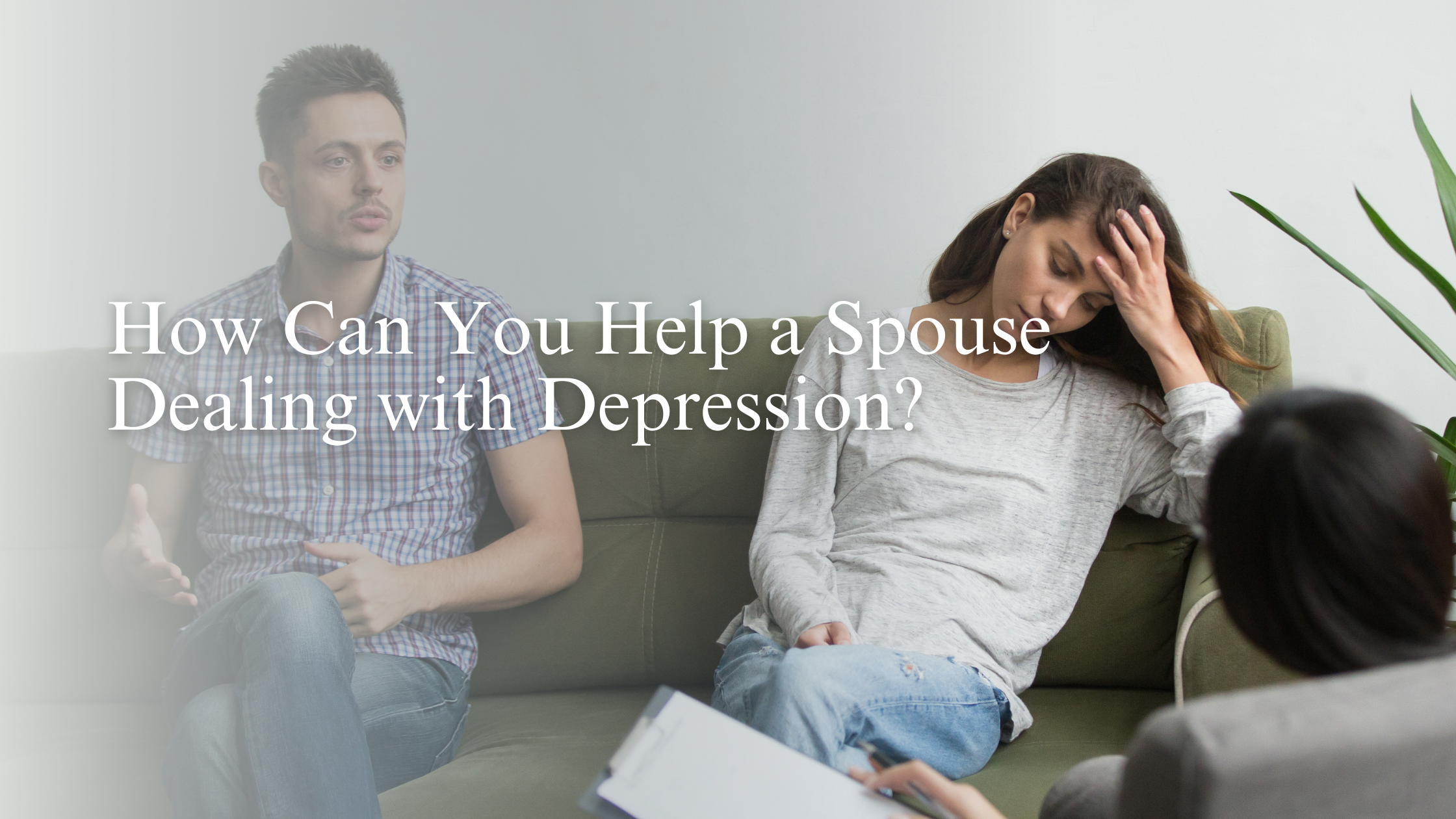
When your spouse is dealing with depression, you may not know what to say or how to help. You may want to make things better for them, but you may also feel helpless when nothing seems to work.
It is natural to want to fix things for someone you love. But when it comes to depression, support is often more about listening, being patient, and helping with small everyday things.
Simple things like listening without judgment, helping with daily tasks, and reminding them that they are not alone can make difficult days a little easier.
Realising the difference between fixing problems and offering support is an important first step in helping a partner with depression while also taking care of yourself.
What Depression Can Look Like in Everyday Life
Before you can support your spouse, it helps to understand what depression can look like. Depression is more than feeling sad. It can affect a person’s mood, energy, sleep, appetite, relationships, and ability to manage everyday tasks.
Common signs include:
- Fatigue
- Social withdrawal from friends and family members
- Irritability
- Changes in appetite and sleep patterns
- Loss of interest in activities they once enjoyed.
Noticing these changes can help you respond with patience instead of assuming your spouse is simply not trying.
Try not to tell your spouse to “snap out of it” or assume they are choosing to feel this way. Depression can make things that seem simple feel much harder.
Tip: Educate yourself through reliable resources like mental health organizations, or by seeking professional guidance in the form of therapy.
Understanding depression equips you to provide compassionate support without judgment.

Ways to Support Your Spouse Dealing with Depression
You cannot take depression away from your spouse, but you can make sure they do not have to face it alone. The following steps can help you offer support while also protecting your own well-being:
1. Listen Without Judgment
One of the most powerful ways to support your spouse is simply to listen to them. When they open up about their feelings, give them your full attention without interrupting or trying to solve the problem immediately.
Avoid brushing off their emotions or offering unnecessary advice.
Phrases like “Just cheer up” or “It’s not a big deal” can make them feel dismissed.
Instead, respond with empathy and validation. Say things like, “I hear you”, “That sounds really hard”, or “I’m here for you.”
Listening without trying to fix everything can help your spouse feel heard and understood. Sometimes, just being present is more helpful than any advice or solutions.
2. Help With Everyday Things
Depression can make even everyday tasks feel overwhelming for your partner. Offering them practical support can lighten the load and reduce stress.
Simple actions can make a big difference, like:
- Cooking meals
- Tidying the house
- Running errands like going grocery shopping
Encourage healthy routines, like
- Eating meals on time,
- Getting 7-8 hours of consistent sleep
- Light physical activity like slow walks
Bring up the topic gently. Try saying, “Would you like me to make dinner tonight?” or “Do you want to take a short walk together?”
You can also offer to help with practical things, such as finding a therapist, getting to an appointment, or handling an everyday task when your spouse is having a difficult day.
These small, consistent actions can make daily life more manageable and show your partner that you care about them.
3. Keep Talking With Each Other
Open, honest communication helps keep your relationship strong even during hard times. Share your own feelings calmly and respectfully, without blaming or criticizing your spouse for their depression. Focus on expressing concern rather than frustration.
Talk about how depression is affecting your relationship and work together to find ways to cope with it as a team.
This could include planning daily routines, setting boundaries, or identifying moments when your partner needs more support than usual.
Notice the small things your spouse manages to do, especially on difficult days.
- Getting out of bed,
- Attending a therapy appointment
- Completing daily tasks like washing the dishes
Recognizing these steps reinforces progress and fosters a sense of confidence.
4. Show Love and Emotional Support
Simple, consistent expressions of love can have a powerful impact on someone dealing with depression.
Small gestures, like a hug, a thoughtful note, or kind words remind your spouse that they are valued and not alone in their struggle.
Checking in, being patient, and showing affection can remind your spouse that you are there for them, even when they are having a difficult day.
It’s also important to manage your own emotions. Try to remember that changes in energy or motivation may be part of what they are dealing with. If plans change, talk about it without making your spouse feel guilty for struggling. Patience and understanding help create a safe, supportive environment for healing.
5. Get Support Beyond the Relationship
Supporting a spouse with depression can feel overwhelming at times, and it’s important to know that you don’t have to do it alone.
External resources can provide guidance, encouragement, and practical strategies for both you and your spouse.
Consider joining support groups for partners of people with depression, where you can share experiences and learn from others in similar situations.
Explore books, podcasts, and online resources focused on mental health to deepen your understanding and gain practical tips.
If your spouse talks about wanting to die, hurting themselves, or feeling unable to stay safe, take it seriously. Seek urgent professional or emergency help rather than trying to handle the situation on your own.
Knowing these resources are available ensures you can respond promptly and safely when urgent help is needed.
Supporting your spouse can make a real difference, but you are not expected to handle depression on your own. If their symptoms continue or start affecting daily life, professional support may be an important next step.

When to Consider Professional Help
Your support matters, but you do not have to be your spouse’s only source of support. A doctor or mental health professional can help assess what they are experiencing and discuss treatment options.
Offer to assist by researching qualified therapists, helping schedule their appointments, or even accompanying your spouse if they feel anxious about attending sessions.
Be patient if they hesitate. Avoid pressuring them into treatment, as this can create resistance rather than support.
Dr. Christopher Joaquim is a licensed therapist with more than 21 years of experience working with individuals and couples. He can help couples talk about how depression is affecting their relationship, improve communication, and find healthier ways to support each other.
He works with adults, couples, and families, offering guidance on communication, showing empathy, and teaching practical coping strategies that partners can use in their everyday life.
His approach gives both partners space to talk about what they are experiencing and learn how to support each other without putting all the responsibility on one person.
Final thoughts
Supporting a spouse with depression is not about having all the answers. It is more about being present, showing empathy, and being patient.
Simple things like listening, helping with daily tasks, and showing patience can make difficult days easier for your spouse and help you stay connected.
There may be good days and difficult days. With the right support, professional help when needed, and patience from both partners, you can work through this period without either person having to face it alone.
Your presence and understanding matter, and with time, support, and patience, both your spouse and your relationship can become stronger.
Frequently Asked Questions
Start by listening without judging or trying to fix everything. You can also help with everyday tasks, encourage professional support, and remind your spouse that they do not have to handle everything alone.
Keep your words simple and supportive. You can say, “I’m here for you,” “I know this is hard,” or “You don’t have to go through this alone.” Sometimes, listening is more helpful than trying to find the perfect thing to say.
Try to avoid comments such as “Just cheer up,” “You have nothing to be sad about,” or “You need to try harder.” These comments can make your spouse feel misunderstood or guilty for struggling.
You do not have to solve their depression. Listen to what they are going through, ask what kind of help they need, and offer practical support when you can. Your role is to support them, not to be their therapist.
Yes. Depression can affect communication, affection, energy, intimacy, and everyday routines. This can sometimes create distance between partners, but understanding what is happening and talking openly can help couples stay connected.
You cannot force your spouse to go to therapy. You can explain why you think professional support could help and offer to make the process easier. If they are not ready, you can still seek support for yourself and learn how to handle the situation in a healthy way.
Start with small things. You might prepare a meal, help with errands, tidy the house, or offer to go for a short walk together. Instead of assuming what they need, ask, “What would make today a little easier for you?”
Professional support may be helpful when symptoms continue, affect daily life, or make it difficult for your spouse to manage normal responsibilities. A doctor or mental health professional can help them understand what they are experiencing and discuss suitable treatment options.
Make time for your own rest, friends, hobbies, and daily routine. You can also talk to a therapist or someone you trust if you feel overwhelmed. Supporting your spouse does not mean you have to ignore your own emotional needs.
Take comments about self-harm or suicide seriously. Stay with your spouse if it is safe to do so and seek urgent professional or emergency help. Do not try to handle a serious crisis on your own.