Have you ever wondered why certain memories still affect you, even years later? You may find yourself feeling anxious, emotionally overwhelmed, or constantly on edge without fully understanding why. If this sounds familiar, you’re not alone. Many people continue feeling the effects of trauma long after the experience has ended.
The good news is that healing is possible. Trauma therapy helps you process difficult experiences, reduce their impact on your daily life, and develop healthier ways of coping so you can move forward with greater confidence and emotional resilience.
What Is Trauma?

Trauma is your mind and body’s response to an experience that feels overwhelming, frightening, or deeply distressing. It can develop after a single event or repeated experiences over time.
For some people, trauma develops after one major event, while for others it builds gradually through repeated difficult experiences.
Trauma may result from:
- Physical, emotional, or sexual abuse.
- Serious accidents or injuries.
- Domestic violence.
- The sudden loss of a loved one.
- Childhood neglect or adverse childhood experiences.
- Medical trauma.
- Workplace harassment or bullying.
- Military service or other life-threatening situations.
Not everyone responds to trauma in the same way. Two people can experience similar events but be affected very differently based on their life experiences, support system, and the ways they’ve learned to cope. That’s why healing looks different for everyone, too.
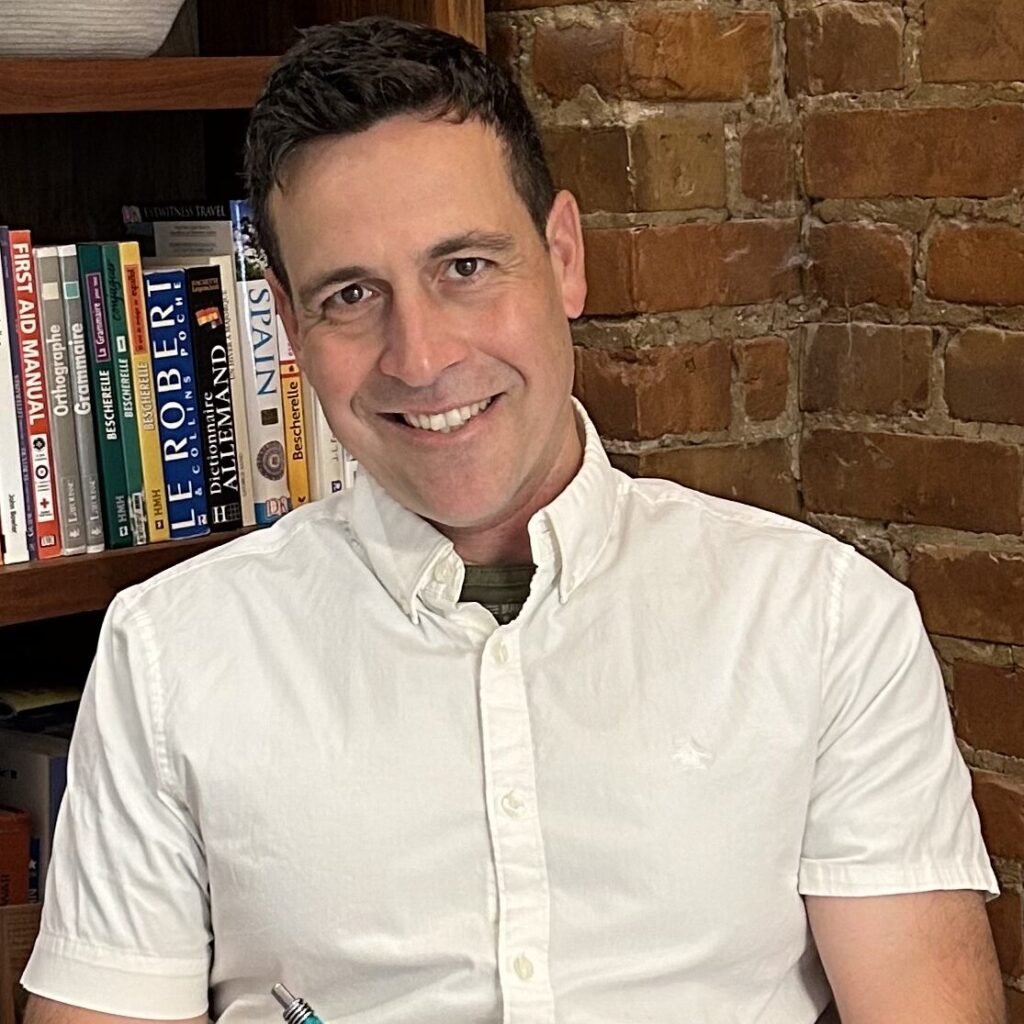
Understanding how trauma affects the brain and body is the first step toward healing. With over 21 years of experience, Dr. Christopher Joaquim helps individuals in Boston and throughout Massachusetts, as well as clients virtually in California and Florida, use evidence-based therapy to process trauma, reduce distress, and regain a sense of control over their lives.
How Trauma Can Continue to Affect Your Life
Trauma doesn’t only affect your memories. It can influence how you think, feel, behave, and respond to everyday situations.
You may notice:
- Feeling constantly anxious or on edge.
- Avoiding people, places, or situations that remind you of the experience.
- Difficulty trusting others.
- Feeling emotionally numb or disconnected.
- Trouble sleeping or frequent nightmares.
- Difficulty concentrating.
- Strong emotional reactions that seem difficult to control.
- Feeling unsafe, even when there is no immediate danger.
These reactions are common after trauma and are your brain’s way of trying to protect you. Many people blame themselves for these reactions, but they’re often normal responses to overwhelming experiences rather than signs of personal weakness.
How Trauma Therapy Helps You To Heal
Healing doesn’t mean forgetting what happened or pretending it never occurred. Instead, it means reducing the impact those experiences have on your present life so they no longer control your thoughts, emotions, or everyday decisions.
Trauma therapy isn’t about forcing you to relive painful memories before you’re ready. Instead, it helps you understand how trauma continues to affect your daily life while teaching practical skills that help you feel safer, more confident, and more in control.
- Through trauma therapy, you can learn to:
- Understand how trauma has affected your thoughts, emotions, and behaviors.
- Process painful experiences in a safe, supportive environment.
- Develop healthier coping strategies.
- Learn to manage trauma triggers.
- Improve emotional regulation.
- Rebuild confidence and self-esteem.
- Strengthen relationships and trust.
Therapy moves at a pace that feels comfortable, allowing healing to happen gradually rather than forcing you to revisit painful experiences before you’re ready.
Many people are relieved to learn that trauma therapy isn’t about rushing into painful memories. Building a sense of safety and trust is an important part of the healing process.
Here are some of the ways trauma therapy can support your healing:
Helps You Feel Safer in Your Daily Life
One of the goals of trauma therapy is helping your nervous system recognize that the danger has passed. For many people, this is one of the first changes they notice during therapy. Everyday situations gradually begin to feel less overwhelming.
Over time, therapy can help you:
- Feel less controlled by fear.
- Reduce hypervigilance and constant alertness.
- Respond to triggers more calmly.
- Feel more present during everyday activities.
- Sleep better and manage stress more effectively.
As your sense of safety grows, many daily situations that once felt overwhelming become easier to manage.
Helps You Change Unhelpful Thought Patterns
Traumatic experiences can shape the way people see themselves and the world.
Some common thoughts include:
- “I’m not safe.”
- “I can’t trust anyone.”
- “Everything is my fault.”
- “Something bad is always going to happen.”
These beliefs often develop as a way of making sense of difficult experiences. They aren’t facts, even though they may feel true after a traumatic experience.
Trauma therapy helps you examine these thoughts, understand where they come from, and replace them with healthier, more balanced perspectives that support recovery.
Helps You Rebuild Emotional Resilience
Healing from trauma isn’t about eliminating every painful memory. It’s about developing the confidence and skills to manage those memories without feeling overwhelmed.
Through therapy, you can learn to:
- Recognize emotional triggers earlier.
- Regulate difficult emotions more effectively.
- Build healthier coping strategies.
- Strengthen self-compassion.
- Feel more hopeful about the future.
Progress often happens gradually. Small moments of feeling calmer, sleeping better, or reacting differently to stressful situations can become meaningful signs that healing is taking place.
How Dr. Christopher Joaquim Helps Individuals Recover From Trauma

Healing from trauma is a deeply personal process, which is why Dr. Christopher Joaquim tailors therapy to each individual’s experiences and goals. Rather than focusing only on past events, he helps clients understand how trauma continues to affect their thoughts, emotions, relationships, and daily life.
Using Cognitive Behavioral Therapy (CBT), Mindfulness, Strength-Based Therapy, and Solution-Focused Therapy, Dr. Joaquim helps clients:
- Process traumatic experiences at a comfortable pace.
- Reduce anxiety and emotional distress.
- Manage trauma triggers more effectively.
- Build healthier coping strategies.
- Strengthen emotional resilience and confidence.
- Regain a greater sense of safety and control.
His supportive, nonjudgmental approach helps clients move beyond survival and begin building a healthier, more fulfilling future.
Final Thoughts
Healing from trauma takes time, but you don’t have to go through the process alone. Although past experiences may still affect the way you think, feel, or respond to everyday situations, they don’t have to define your future.
With the right support, it’s possible to reduce the emotional impact of past experiences, build healthier coping skills, and regain confidence in yourself and your relationships.
If you’re looking for trauma therapy in Boston, Dr. Christopher Joaquim provides compassionate, evidence-based care tailored to your unique experiences.
Whether you’ve been carrying the effects of trauma for months or many years, healing is still possible. Therapy can help you move forward at a pace that feels safe, supportive, and right for you.
Frequently Asked Questions
- What is trauma therapy?
Trauma therapy is a type of counseling that helps people process difficult or overwhelming experiences in a safe, supportive environment. It focuses on reducing the emotional impact of trauma, building healthier coping strategies, and helping you regain a sense of safety and control.
- How do I know if I need trauma therapy?
If past experiences continue to affect your emotions, relationships, sleep, work, or daily life, trauma therapy may help. You don’t have to wait until symptoms become severe to seek support.
- Will I have to talk about my trauma right away?
No. Trauma therapy moves at a pace that feels comfortable for you. Your therapist will focus on building trust and emotional safety before exploring difficult experiences.
- How long does trauma therapy take?
The length of therapy varies depending on your experiences, goals, and progress. Some people notice improvements within a few months, while others benefit from longer-term support.
- Can trauma therapy help years after the traumatic event?
Yes. Trauma can continue affecting people long after an event has passed. Therapy can still help you process those experiences and reduce their impact, even if they happened many years ago.
- What types of therapy are used to treat trauma?
Trauma treatment may include evidence-based approaches such as Cognitive Behavioral Therapy (CBT), mindfulness-based techniques, Strength-Based Therapy, and Solution-Focused Therapy. Your therapist will recommend an approach based on your individual needs.
- Can trauma affect my relationships?
Yes. Trauma can make it difficult to trust others, communicate openly, or feel emotionally connected. Therapy can help you develop healthier relationship patterns and rebuild trust over time.
- Is online trauma therapy effective?
For many people, yes. Online therapy can provide the same evidence-based support as in-person sessions while offering greater flexibility and the comfort of attending therapy from home.
- What if I’m not sure whether my experience was “serious enough” to be considered trauma?
There’s no single event that defines trauma. If an experience continues to affect your thoughts, emotions, or daily life, it’s worth discussing with a therapist. Your experiences don’t have to meet a specific standard for you to deserve support.
- How can Dr. Christopher Joaquim help with trauma recovery?
Dr. Christopher Joaquim provides individualized, evidence-based trauma therapy to help clients process difficult experiences, reduce emotional distress, develop healthier coping strategies, and rebuild confidence at a pace that feels safe and supportive.