
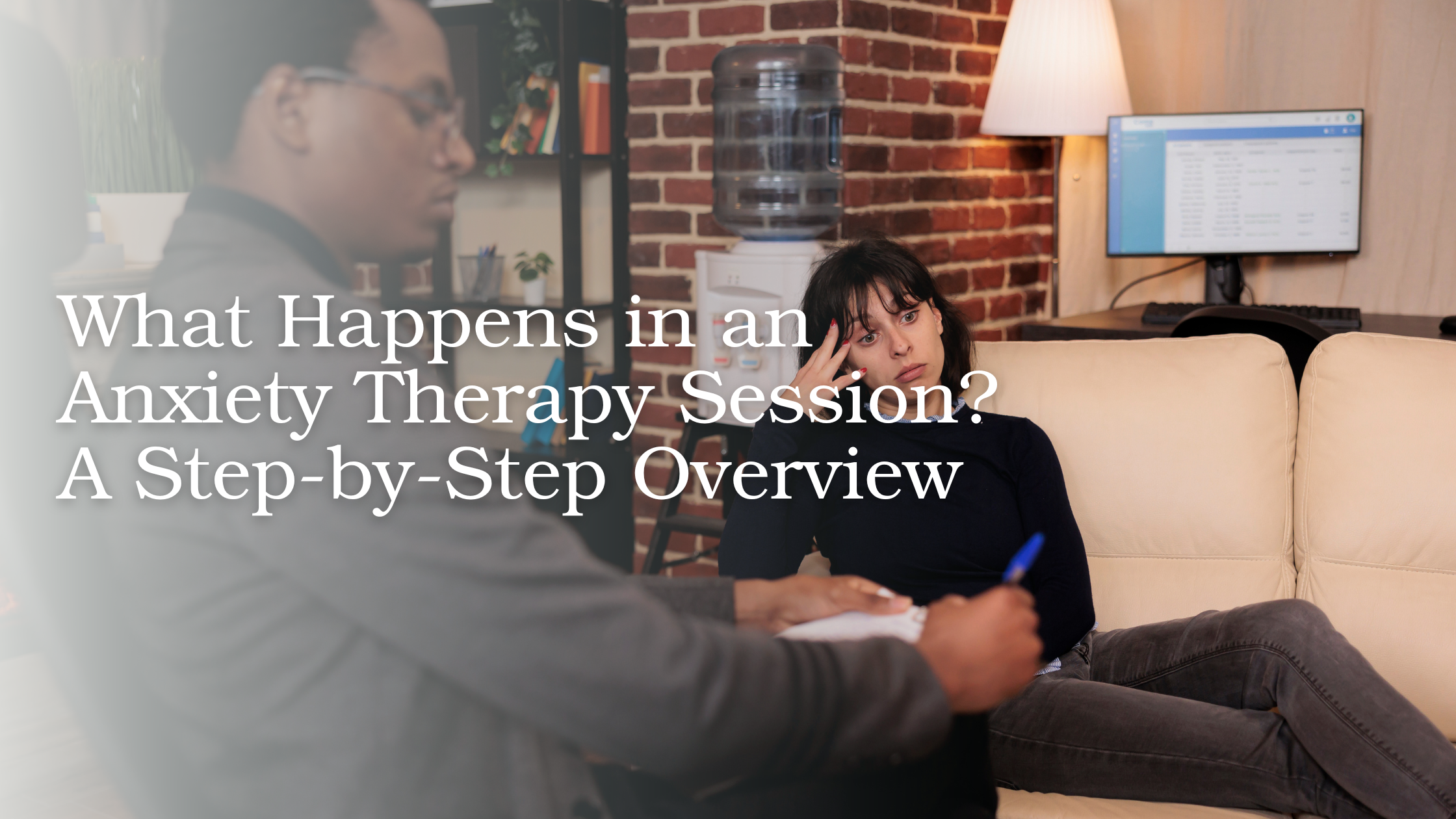
Starting anxiety therapy can feel intimidating, especially if you’ve never been to therapy before. You might wonder what the first session will be like, whether you’ll have to talk about deeply personal experiences, or if you’ll even know what to say. These concerns are completely normal, and many people have them before their first appointment.
The good news is that your first anxiety therapy session isn’t a test, and you won’t be expected to have all the answers. Therapy moves at a pace that feels comfortable for you. Dr. Christopher Joaquim provides a supportive, nonjudgmental environment where clients can better understand their anxiety and learn practical ways to manage it.
In this article, you’ll learn what typically happens during anxiety therapy and what you can expect from your first few sessions.
Why People Seek Anxiety Therapy

Although every therapy journey is different, most anxiety treatment follows a similar process. Understanding what typically happens can make your first appointment feel much less intimidating.
People begin therapy for many different reasons. Anxiety doesn’t always look the same, and it can affect every aspect of daily life. For some people, it’s constant worry. For others, it’s physical symptoms, avoiding certain situations, or feeling like their mind never gets a chance to slow down.
You may decide to seek therapy if you:
- Constantly overthink or worry about everyday situations.
- Feel overwhelmed by racing thoughts.
- Avoid certain places or situations because of anxiety.
- Struggle to relax, even when life seems calm.
- Experience physical symptoms such as muscle tension, a racing heart, or difficulty sleeping.
Although everyone’s therapy experience is unique, most anxiety therapy sessions follow a similar process.
Step 1: Getting to Know You
The first anxiety therapy session is mainly about getting to know you. Rather than jumping straight into solutions, your therapist will take time to understand what you’ve been experiencing and what brought you to therapy.
Your therapist may ask about:
- What prompted you to seek therapy.
- The situations that trigger your anxiety.
- How anxiety affects your work, relationships, or daily routine.
- Your personal goals for therapy.
- Any previous experience with therapy or mental health treatment.
This conversation helps your therapist understand what’s most important to you so that therapy can be tailored to your needs and goals.
For example: If you’re anxious about public speaking, your therapy goals will look different from someone whose anxiety is affecting sleep or relationships.
Step 2: Understanding Your Anxiety
Once your therapist has a clearer understanding of your experiences, you’ll begin exploring the patterns that may be contributing to your anxiety.
Together, you’ll identify:
- Common triggers.
- Unhelpful thought patterns.
- Emotional and physical responses.
- Behaviours such as avoidance or reassurance-seeking.
Many people start therapy wondering, “What’s wrong with me?” Therapy helps shift that question to, “What’s contributing to my anxiety, and what can I do about it?”
Step 3: Learning Practical Skills
One of the biggest misconceptions about therapy is that it’s only about talking. While conversations are important, therapy also gives you practical tools that you can begin using in everyday situations.
Depending on your needs, you may learn how to:
- Recognise anxious thought patterns.
- Challenge worst-case thinking.
- Manage physical symptoms of anxiety.
- Use mindfulness and grounding techniques.
- Respond to stressful situations with greater confidence.
These skills become easier with regular practice.
Step 4: Applying What You Learn
What you learn during therapy becomes even more valuable when you begin using those skills in everyday life. Over time, practicing these strategies can help you feel more confident in situations that once felt overwhelming.
Your therapist may encourage you to:
- Notice anxious thoughts without immediately reacting to them.
- Practice breathing or grounding exercises.
- Gradually face situations you’ve been avoiding.
- Reflect on what worked well and what felt challenging.
For example: If making phone calls causes anxiety, you might start with one short call before gradually working up to more challenging situations.
Step 5: Tracking Your Progress
Progress in therapy usually happens gradually. Instead of expecting anxiety to disappear overnight, you’ll begin noticing small but meaningful changes in how you think, respond, and cope with everyday challenges.
You and your therapist may regularly review:
- Situations that feel easier than before.
- Skills that have been most helpful.
- New challenges that have come up.
- Goals you’d like to focus on next.
This helps your therapist adjust the focus of your sessions as your needs change.
Common Misconceptions About Anxiety Therapy

Many people hesitate to start therapy because they’re unsure what to expect or worry about what the experience will be like. In reality, anxiety therapy is designed to be supportive, collaborative, and tailored to your comfort level.
Contrary to what many people believe, anxiety therapy isn’t about:
- Being judged or criticised for your thoughts, feelings, or experiences.
- Being forced to share deeply personal details before you feel ready.
- Simply receiving advice without first understanding your unique experiences and goals.
- “Fixing” everything in a single session or expecting immediate results.
Instead, anxiety therapy session is a collaborative process where you and your therapist work together to better understand your anxiety, identify the patterns that keep it going, and develop practical strategies that fit your daily life. Sessions move at a pace that feels comfortable for you, allowing trust and confidence to build over time.
How Dr. Christopher Joaquim Supports Clients with Anxiety
No two people experience anxiety in exactly the same way. That’s why Dr. Christopher Joaquim tailors therapy to each person’s experiences, concerns, and goals rather than using a one-size-fits-all approach.
Depending on each person’s needs and goals, therapy may help clients:
- Understand the thoughts and behaviours that maintain anxiety.
- Develop healthier coping strategies.
- Build confidence in challenging situations.
- Reduce overthinking and emotional overwhelm.
- Feel more in control of their daily lives.
Using evidence-based approaches such as Cognitive Behavioral Therapy (CBT), Mindfulness, Strength-Based Therapy, and Solution-Focused Therapy, he helps clients build practical skills they can continue using long after therapy ends.
How to Prepare for Your First Anxiety Therapy Session
There’s no need to prepare the “perfect” answers before your first session. Simply showing up and being willing to talk is enough. Your therapist will guide the conversation and help you feel comfortable along the way.
However, it may help to think about:
- The situations where anxiety affects you most.
- What you’d like to be different in your life.
- Any questions you have about therapy.
- Goals you’d like to achieve.
There’s no right or wrong way to approach your first session. Simply being open about your experiences is enough.
Final Thoughts
Taking the first step toward therapy can feel uncertain, but you don’t have to figure everything out on your own. Anxiety is treatable, and therapy can help you better understand what’s driving your worries while giving you practical strategies to manage them with greater confidence.
If you’re considering anxiety therapy in Salem, MA, or virtual therapy throughout Massachusetts, Dr. Christopher Joaquim provides personalized, evidence-based care tailored to your unique experiences and goals.
Seeking support can feel like a big step, but many people find that starting therapy brings a sense of relief and hope. With the right support, it’s possible to feel calmer, more confident, and better equipped to manage anxiety in everyday life.
Frequently Asked Questions
Most last around 50–60 minutes, although this can vary depending on the therapist and your treatment plan.
Not unless it’s relevant to your goals. Therapy focuses on your current concerns, though past experiences may be explored if they help explain present patterns.
Sometimes. Your therapist may suggest simple exercises or strategies to practice, as applying what you learn outside of therapy often leads to greater progress.
That’s completely okay. One purpose of therapy is to help you identify the underlying factors contributing to your anxiety.
The number of sessions depends on your goals, the severity of your symptoms, and the progress you make over time.
No. Many people seek therapy after living with anxiety for years and still experience meaningful improvements with the right support.
That’s perfectly normal. Therapy is a safe space to express your thoughts and emotions without fear of judgment.
Yes. Many people find online therapy just as effective as in-person sessions while offering greater flexibility and convenience.