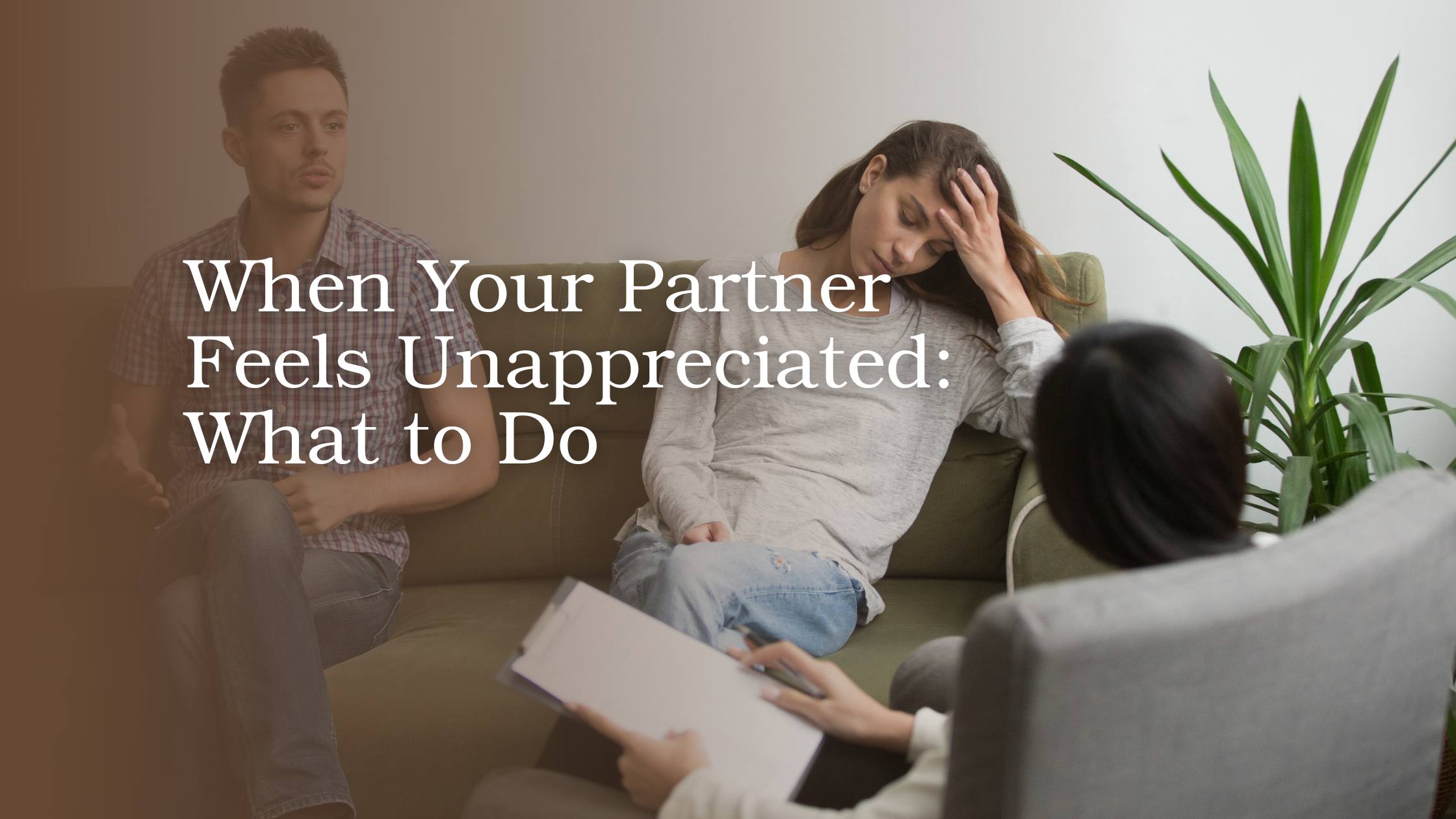
It doesn’t always start with a big argument. Instead, it shows up quietly. One partner keeps taking care of daily responsibilities, making small efforts, and trying to keep things running smoothly, but slowly begins to feel like none of it is being noticed.
If you are reading this, you’re probably going through something very similar. Feeling unappreciated is a common experience in relationships, especially as routines settle in and life gets busy. It’s easy for appreciation to take the back seat.
Feeling appreciated is one of the foundations of a healthy relationship. When a partner no longer feels seen, valued, or acknowledged, emotional distance can begin to grow. Understanding why this happens is the first step toward rebuilding connection.
What Does It Mean When Your Partner Feels Unappreciated?
When a partner says, “I feel unappreciated,” it’s rarely just about the surface issue like not being thanked for doing the dishes or planning a meal. These moments are often just the visible part of a deeper emotional experience.
Feeling unappreciated is less about a specific action and more about what that action represents. It can reflect a growing sense of being taken for granted or emotionally overlooked in the relationship. The complaint may sound trivial, but the feeling behind it is more personal.
This emotional experience can surface as:
- Withdrawing or becoming unusually quiet
- Increased irritability or frustration over small things
- Passive-aggressive remarks like “It’s fine, I’ll just do it myself”
- Putting in less effort in the relationship
These responses point to an underlying need that isn’t being met, which is the need to feel cared for by your partner.
Why Your Partner May Feel Unappreciated
The feeling of being unappreciated tends to build gradually. It’s shaped by everyday interactions, quiet expectations, and past emotional experiences that influence how partners respond to each other.
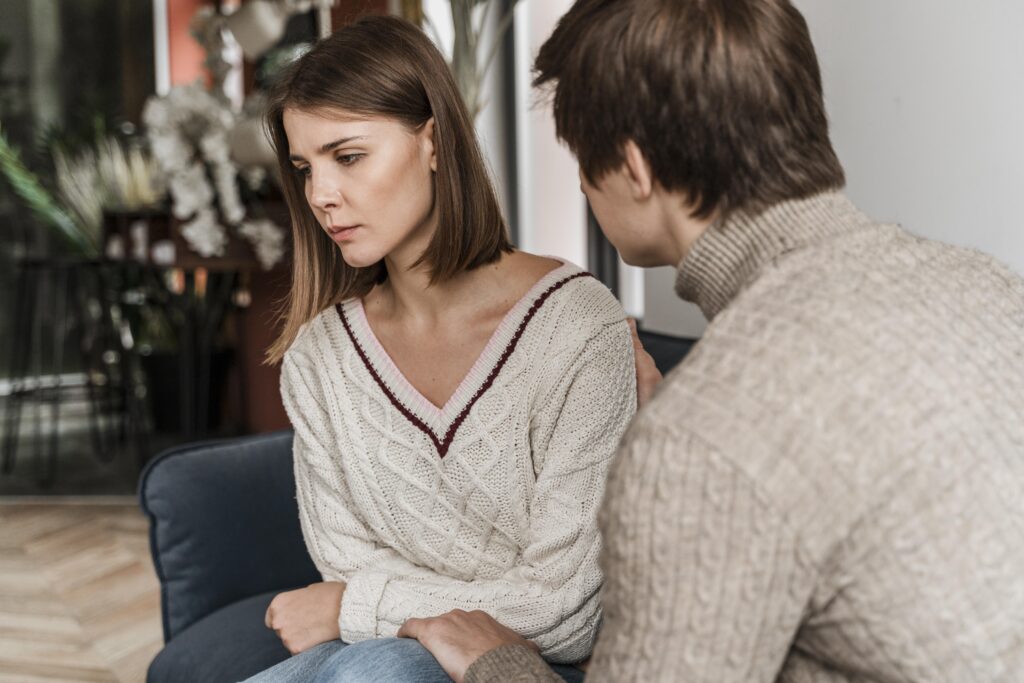
Here are some common reasons a partner may begin to feel taken for granted:
Routine and Familiarity:
As relationships settle into daily life, the small efforts that once felt thoughtful or special start to feel expected. What was once noticed and appreciated begins to fade into the background, not because it no longer matters, but because it becomes part of your daily routine.
Differences in how appreciation is expressed and received:
One partner may show care through actions like:
- Handling responsibilities
- Being dependable
- Stepping in when needed
While the other partner may need words of affirmation or intentional time together to feel valued. When these languages don’t match, appreciation can exist, but it’s not felt.
Stress and emotional overload:
When life feels overwhelming, there’s often less emotional space to pause, notice, and acknowledge each other. In these moments, appreciation becomes harder to express consistently.
Unspoken expectations:
Sometimes we carry an internal idea of what appreciation should look like, but never actually communicate it. When those expectations aren’t met, we become disappointed, even when the other partner is unaware something is missing.
Past emotional experiences or attachment wounds:
Our past experiences shape how we interpret our present moments. If someone has felt undervalued before, they may be more sensitive to similar feelings in their current relationships, even when their partner doesn’t intend to do the same.
When we look at all these patterns together, it becomes easier to move toward understanding how our partners may feel. That way, it becomes easier to respond to each other with empathy, and care.
Common Mistakes That Can Make Your Partner Feel Unappreciated
When one partner feels unappreciated, the way the other responds can either soften the emotional distance or unintentionally make it wider.
In most cases, the issue isn’t a lack of care, it’s how the moment is handled when emotions are high. Small communication patterns can easily shape how your partner actually feels.

Downplaying the concern at hand
A common reaction is to minimize what’s being said.
Responses like “But I already do so much” or “How can you say that when I’m always helping?” often come from frustration or a sense of effort going unnoticed.
In the moment, it can make the other partner feel like their emotions are being dismissed rather than understood.
Shifting into defensiveness instead of trying to understand how your partner feels
When feedback feels like criticism, the natural response is to explain or justify. Defensiveness can shut down connections. Curiosity works better here. Pausing to understand what your partner is actually feeling before responding to the content of their words.
Turning it into a competition
Sometimes the conversation slips into a scorekeeping mindset: “I do more than you” or “I’m the one who always does this.” This makes the moment feel like a competition rather than a conversation about emotional needs.
Assuming appreciation doesn’t need to be spoken out loud
Many couples also fall into the belief that appreciation should be understood without being spoken. This creates communication gaps because even when care is present, it may not be felt if it isn’t expressed in clear, intentional ways.
At the heart of these moments is a small but important shift: moving too quickly from emotion to explanation, defense, or solution. When partners slow down, stay curious, and validate what the other is feeling, the conversation has a much better chance of turning into connection.
How to Help a Partner Who Feels Unappreciated
When a partner feels unappreciated, small shifts in how you respond can make a meaningful difference in how respected your partner feels.
1. Pause and listen without defending yourself
Give your partner space to fully express how they feel without interrupting or explaining yourself right away. Reflecting back what you hear helps them feel understood before anything is resolved.
For example: “It sounds like you’ve been feeling…”
2. Validate before you explain
Acknowledge their emotions, even if your perspective is different. Validation means acknowledging that your partner’s feelings are real, even if you see the situation differently.
3. Ask what appreciation looks like to them
People experience appreciation differently. For some, it’s words of affirmation. For others, it’s helping with their daily tasks or spending quality time with their partner. Understanding this helps you respond in a way that feels meaningful to them.
4. Express appreciation intentionally and specifically
Move beyond general statements like “thanks.” Be specific and use phrases like “I really noticed how you handled that situation today” so your appreciation feels genuine.
5. Look for patterns, not just incidents
Instead of focusing only on the current moment, gently explore whether this is a recurring feeling. Often, it reflects an ongoing emotional pattern rather than a single event.
6. Repair small misunderstandings early
Don’t wait for resentment to build. Small misunderstandings can be repaired quickly with a sincere acknowledgment or check-in. These early repairs often matter more than being perfect.
These small changes may seem simple, but when practiced consistently, they help partners feel seen, valued, and emotionally connected again. Relationship repair often begins with everyday actions rather than one big conversation.
Simple Ways to Show Your Partner They Are Appreciated
You don’t have to wait for a special occasion to show appreciation. Small, consistent actions often have the greatest impact.
- Say “thank you” for everyday efforts.
- Acknowledge specific things your partner does rather than giving general compliments.
- Spend uninterrupted quality time together.
- Offer help without being asked.
- Check in regularly and ask how they’re feeling.
- Express appreciation in the way your partner receives it best.
Showing appreciation consistently helps prevent resentment from building over time.
When It’s Deeper Than Just Wanting Appreciation
Sometimes,partner feels unappreciated isn’t just about day-to-day expressions of gratitude. It can be a signal of deeper emotional patterns within the relationship that go beyond a single conversation. It may be connected to deeper relationship patterns such as:
Chronic Resentment
In some cases, partner feels unappreciated is linked to chronic resentment, where small, repeated moments of feeling undervalued build up over time. What starts as minor frustration can slowly turn into a deeper emotional distance.
Emotional Disconnection
Partners may continue to function well in day-to-day life, but the emotional bond has weakened or become inconsistent. In these situations, appreciation becomes harder to feel because the underlying closeness is already strained.
Attachment Insecurities
Past relationship experiences can influence how present interactions are perceived, so even neutral moments feel like rejection or emotional neglect.
When these patterns are present, the issue is rarely just about appreciation alone. It often points to a deeper need for emotional safety, consistency, and reconnection within the relationship.
When to Consider Professional Support
Most couples go through phases where communication feels difficult. You might consider seeking professional support if:
- Conversations keep going in circles without leading to change
- One or both partners continue to feel unappreciated, even after trying to express it multiple times
- Attempts to resolve things often lead to more frustration
Working with a therapist, such as Dr. Christopher Joaquim, gives a safe, neutral space where both partners feel heard without judgment. He helps couples:
- Slow down difficult conversations.
- Understand each other’s emotional needs.
- Express appreciation in ways that feel meaningful.
- Build healthier communication patterns.
- Reconnect before resentment becomes long-term.
Therapy also helps bring awareness to deeper emotional patterns that often sit beneath recurring conflicts. Instead of only addressing surface-level issues, it allows both partners to understand themselves and each other better.
Seeking support early can help couples reconnect before emotional distance becomes harder to repair.
Final Thoughts: Appreciation Is a Practice, Not a One-Time Act
Appreciation isn’t about grand gestures. It’s built through small, consistent actions that help your partner feel seen, valued, and cared for every day.
If you’ve tried improving communication but your relationship still feels stuck in the same patterns, it may be time to look beneath the surface. Working with a couples therapist can help you better understand each other’s emotional needs, rebuild trust, and strengthen your connection.
Dr. Christopher Joaquim provides a supportive, non-judgmental space where couples can improve communication, rebuild emotional closeness, and develop healthier relationship patterns together.
Frequently Asked Questions
How do I know if my partner feels unappreciated?
Common signs include emotional withdrawal, increased frustration, reduced effort in the relationship, or comments about feeling taken for granted. These behaviors often suggest a deeper need to feel seen, valued, and acknowledged.
Can feeling unappreciated damage a relationship?
Yes. If the feeling continues without being addressed, it can lead to resentment, emotional distance, and communication problems. Recognizing and responding to it early can help strengthen the relationship.
How can I make my partner feel more appreciated?
Express appreciation regularly through specific words, thoughtful actions, and quality time together. Paying attention to how your partner prefers to receive appreciation can make your efforts feel more meaningful.
Why doesn’t my partner notice the things I do?
In many relationships, daily responsibilities become part of the routine and may unintentionally go unnoticed. This doesn’t always mean your partner doesn’t care, but it may be a sign that you both need to communicate your needs and appreciation more openly.
Can couples have different ways of expressing appreciation?
Yes. One partner may show appreciation by helping with responsibilities, while the other may value verbal encouragement or quality time. Understanding these differences can help both partners feel more appreciated.
What should I do if I’ve already told my partner how I feel?
If you’ve communicated your feelings but nothing has changed, try having another calm conversation about your emotional needs and the specific actions that help you feel valued. If the same pattern continues, couples therapy may help identify the underlying issues.
When should couples seek professional support for this issue?
If feelings of being unappreciated continue despite honest conversations, or if resentment and emotional distance are growing, speaking with a couples therapist can help both partners improve communication and rebuild emotional connection.
Can feeling unappreciated lead to resentment?
Yes. When someone consistently feels overlooked or taken for granted, resentment can build over time. Addressing the issue early through open communication and regular expressions of appreciation can help prevent emotional distance.
Is feeling unappreciated a sign of a failing relationship?
Not necessarily. Many healthy relationships go through periods where one or both partners feel overlooked, especially during stressful or busy phases of life. When addressed through honest communication and consistent effort, these feelings can often strengthen the relationship rather than damage it.