How Anxiety Affects Your Body and What Therapy Can Do About It
Have you ever felt your heart racing for no obvious reason, struggled with an upset stomach before an important event, or gone to bed exhausted only to lie awake for hours? If so, you’re not imagining it. Anxiety doesn’t just affect your thoughts. It can cause real physical symptoms that leave you wondering whether something is wrong with your body.
The good news is that these symptoms often make more sense once you understand why they’re happening.
In this blog, you’ll learn how anxiety affects different parts of your body, why the symptoms can feel so intense, and how therapy can help break the cycle. The more you understand what’s happening, the easier it becomes to respond with confidence instead of fear.
Why Anxiety Affects Your Whole Body
When you feel anxious, your brain’s main job is to protect you. It doesn’t always know the difference between a real danger and a stressful situation, like an exam, a job interview, or an uncomfortable conversation.
Instead, it reacts as though you’re in danger and prepares your body to deal with it. This is why anxiety, along with your thoughts, can also affect your entire body.
When your brain thinks you’re under threat, it tells your body to:
- Increase your heart rate so blood can reach your muscles faster.
- Tighten your muscles so you’re ready to react.
- Change your breathing to take in more oxygen.
- Slow down digestion because finding food isn’t a priority during danger.
- Keep you alert so you can quickly notice anything that might be a threat.
For example, imagine you’re about to give a presentation in college. Even though you’re standing safely in a classroom, your brain reacts as though you’re facing danger. Your heart starts racing, your hands become sweaty, and your stomach feels like it’s in knots.This same stress response is well documented in performance anxiety therapy for athletes and professionals in Boston, where the stakes and triggers are just as physical.
These reactions are designed to protect you, but they become exhausting when happen frequently. For a deeper look at why this response won’t switch off, see generalized anxiety disorder: what it is and how therapy treats it.
Let’s look at some of the physical symptoms anxiety can cause and why they happen.
Physical Symptoms of Anxiety You Might Notice
Your Heart Feels Like It’s Racing
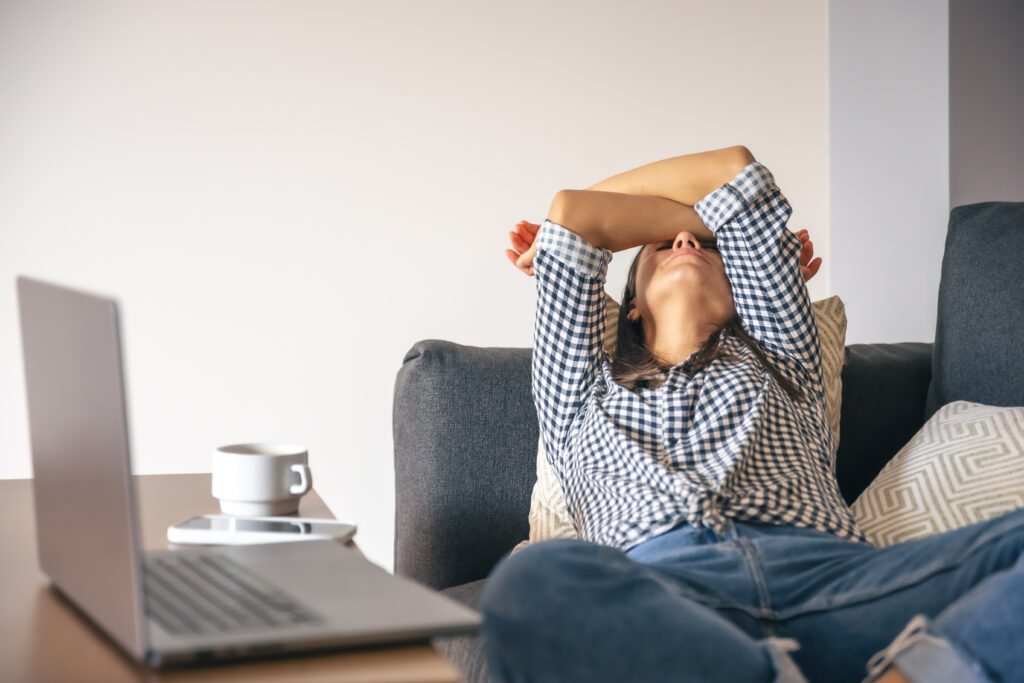
When you’re anxious, your body releases stress hormones that make your heart beat faster. This helps prepare you to react quickly, even when you’re not in real danger.
You might notice:
- A racing or pounding heartbeat.
- Heart palpitations.
- Chest tightness.
- Feeling unusually aware of your heartbeat.
For example: You’re waiting for a job interview when your heart suddenly starts pounding. You may think something is wrong with your heart, when it’s actually your body’s stress response kicking in.
Your heart isn’t the only organ affected by anxiety. Your digestive system often reacts just as quickly.
Your Stomach Feels Upset
Have you ever felt too nervous to eat before an exam or rushed to the bathroom before a presentation? That’s because your brain and gut are closely connected.
You may experience:
- Nausea.
- Stomach cramps.
- Bloating.
- Diarrhoea.
- Loss of appetite.
For example: You sit down to eat before an important interview, but suddenly feel too sick to finish your meal.
Anxiety doesn’t stop there. It can also leave your muscles feeling tight without you even noticing.
Your Muscles Feel Tight and Sore
When you’re stressed, your muscles stay slightly tense to help your body react quickly. If this happens often, that tension can build up throughout the day.
You might notice:
- Tight shoulders or neck.
- Jaw clenching.
- Frequent headaches.
- General body aches.
For example: After a stressful day, you blame your sore shoulders on sitting at your desk. In reality, you may have been tensing your muscles for hours. This kind of chronic tension shows up constantly in work burnout and anxiety, especially for people under sustained performance pressure.
That same stress response can also affect the way you breathe.
It Feels Hard to Catch Your Breath
Anxiety can change your breathing without you realising it. The more anxious you feel, the more noticeable your breathing may become.
You may notice:
- Quick, shallow breaths.
- Feeling like you can’t take a full breath.
- Frequent sighing.
- Feeling light-headed or dizzy.
For example: Just before speaking in class or during a meeting, you suddenly feel like you can’t get enough air, making you even more anxious.
When your body stays in this state for long periods, it’s normal to feel physically drained. We’ll look at why anxiety often leaves you feeling so tired next.
Why Your Physical Symptoms Keep Coming Back
Many people are surprised when their body continues reacting, even after the stressful moment has passed. Your brain learns from experience. If it connects a situation with danger once, it may trigger the same physical symptoms every time that situation comes up, even when there’s no real threat.
For example:
- After a panic attack while driving, your heart may race every time you get behind the wheel.
- If you felt anxious during a presentation, your stomach may tighten before future presentations.
Avoiding these situations can make the cycle stronger because your brain never gets the chance to learn that you’re actually safe.
The good news is that your brain can learn a new response. Let’s look at how therapy helps reduce these physical symptoms and break the cycle.
How Anxiety Therapy Helps Reduce The Physical Symptoms of Anxiety
Many people expect therapy to focus only on talking about feelings. In reality, anxiety therapy also helps change the patterns that keep your body stuck in survival mode.
It Helps You Understand Your Personal Triggers
Not everyone experiences anxiety for the same reasons.
Therapy helps you identify:
- Situations that trigger physical symptoms.
- Thoughts that increase anxiety.
- Behaviours that unintentionally keep the cycle going.
For example: You may realise your headaches appear before difficult conversations rather than at random. Once you recognise the pattern, it becomes much easier to change your response.
Understanding the trigger is only the first step. The next step is changing how you respond to it.
It Helps You Challenge Thoughts That Fuel Anxiety
When anxiety takes over, your mind often jumps to the worst possible conclusion.
For example:
Instead of thinking,
“I’m nervous about this presentation.”
Your mind says,
“I’m going to embarrass myself.”
Therapy teaches you to pause and ask questions such as:
- What’s the evidence this will happen?
- Have I handled something similar before?
- Is there another explanation?
Over time, these small shifts in thinking can reduce the intensity of your body’s stress response.
Changing your thoughts also makes it easier to change your behaviour.
It Helps You Stop Avoiding Everything That Feels Uncomfortable
Avoiding situations often brings temporary relief, but it also teaches your brain that those situations are dangerous.
Instead of avoiding, therapy helps you face situations gradually and at a pace that feels manageable.
For example, if social situations make you anxious, you might start by:
- Speaking to one new person.
- Meeting a friend for coffee.
- Attending a small gathering before a larger one.
Each positive experience gives your brain new evidence that you can cope.
As your confidence grows, your body gradually becomes less reactive as well.
It Helps Calm Your Mind
Therapy doesn’t simply tell you to “relax.” It teaches practical skills that help your body recognise when it’s safe.
Depending on your needs, you may learn:
- Controlled breathing exercises.
- Grounding techniques.
- Mindfulness strategies.
- Ways to recognise early signs of anxiety before they become overwhelming.
These techniques won’t stop anxiety instantly, but with regular practice they can reduce how intensely your body reacts.
As your nervous system becomes calmer, many people begin noticing changes in both their physical symptoms and their confidence. This is largely why mindfulness-based therapy reduces anxiety so effectively it directly targets the nervous system response described here.

Practical Ways to Support Your Body Between Anxiety Therapy Sessions
Therapy doesn’t end when your session is over. The small habits you practise every day can help your body feel calmer and reinforce what you’re learning in therapy.
Keep Your Body Moving
You don’t need an intense workout to reduce anxiety. Gentle movement helps your body use some of the extra energy that builds up during periods of stress.
Try activities such as:
- Going for a 20 to 30-minute walk.
- Stretching your neck and shoulders after long periods of sitting.
- Doing yoga or Pilates.
- Dancing to your favourite music for 10 minutes.
- Gardening or spending time outdoors.
For example: If you’ve been sitting at your desk all morning feeling tense, a short walk around the block may help reduce muscle tightness and clear your mind.
Looking after your body also means paying attention to your daily routines.
Build Simple Daily Habits That Support Your Nervous System
Your body responds better to stress when basic needs are being met consistently.
Small changes that can help include:
- Going to bed and waking up at roughly the same time each day.
- Eating regular meals instead of skipping them.
- Drinking enough water throughout the day.
- Reducing caffeine if it makes you feel jittery or increases your heart rate.
- Scheduling short breaks during busy days instead of working for hours without stopping.
You don’t have to do everything perfectly. Even one or two consistent habits can make a noticeable difference over time.
Alongside healthy routines, it also helps to pay attention to how you respond when anxiety shows up.
Resist the Urge to Constantly Check Your Symptoms
When physical symptoms feel frightening, it’s natural to want reassurance. You may find yourself checking your pulse, searching your symptoms online, or asking others if you look okay.
Although this may bring temporary relief, it often keeps your attention focused on your body and increases anxiety.
Instead, try to:
- Notice the symptom without immediately reacting to it.
- Remind yourself that you’ve experienced this feeling before.
- Shift your attention to another activity, such as reading, cooking, or calling a friend.
Over time, responding differently can help break the cycle of fear and reassurance-seeking.
Sometimes, however, anxiety continues to interfere with daily life despite your best efforts. That’s where professional guidance plays a big role in helping you manage it. Here’s how you can decide if you need to turn to therapy.
When to Consider Anxiety Therapy
Everyone feels anxious from time to time. However, it may be time to seek professional support if anxiety is making everyday life feel difficult.
Consider speaking with a therapist if:
- Physical symptoms are happening frequently.
- Worry is affecting your work, studies, or relationships.
- You’re avoiding places or situations because of anxiety.
- You constantly worry that your symptoms are caused by a serious illness, despite medical reassurance.
- Anxiety feels difficult to manage on your own.
Seeking support isn’t a sign of weakness. It’s a practical step towards understanding what’s happening and learning skills that can help.
With the right support, many people learn to manage anxiety instead of letting anxiety manage them.
How Dr. Christopher Joaquim Helps Clients Manage Anxiety
Anxiety can affect much more than your thoughts. It can interfere with your sleep, relationships, work, physical health, and overall quality of life. With more than 21 years of experience, Dr. Christopher Joaquim helps clients understand the connection between their thoughts, emotions, and physical symptoms so they can respond to anxiety in healthier ways.
Using evidence-based approaches such as Cognitive Behavioral Therapy (CBT), mindfulness, strength-based therapy, and solution-focused therapy, he helps clients:
- Identify the thoughts and situations that trigger anxiety.
- Reduce the physical symptoms associated with chronic stress.
- Develop healthier coping strategies.
- Build confidence in handling situations that once felt overwhelming.
- Create practical habits that support long-term emotional wellbeing.
Every treatment plan is personalised, helping clients develop skills they can continue using long after therapy ends.
With the right guidance, it becomes possible to feel more in control of both your mind and your body. How CBT Can Help You Regain Control covers this same CBT-based approach in more depth if you’re based in the area.”
Final Thoughts
The physical symptoms of anxiety are real, but they don’t always mean something is wrong with your body. They are often signs that your nervous system is working overtime to protect you. Understanding why these symptoms happen is the first step towards changing your response to them.
With the right support, it’s possible to reduce anxiety, feel calmer in your body, and regain confidence in everyday life. If anxiety is affecting your wellbeing, Dr. Christopher Joaquim offers compassionate, evidence-based therapy tailored to your needs. Schedule a consultation today and take the first step towards feeling like yourself again.
Frequently Asked Questions
Yes. Anxiety can affect several body systems, leading to symptoms such as a racing heart, stomach problems, muscle tension, headaches, dizziness, and fatigue. These symptoms are real, even though they’re triggered by your body’s stress response.
Many people notice increased anxiety shortly after waking because stress hormone levels are naturally higher in the morning. If you’re already feeling stressed, this can make physical symptoms more noticeable.
Yes. Anxiety can make normal body sensations feel more intense, leading you to worry that they’re signs of a serious medical condition. If medical evaluations have ruled out underlying health problems, anxiety may be contributing to these concerns.
For many people, physical symptoms become less frequent and less intense as anxiety improves. This usually happens gradually as you learn healthier ways to respond to stress and reduce your body’s constant state of alertness.
The timeline varies from person to person. Some people begin noticing improvements within a few sessions, while others benefit from longer-term therapy depending on the severity of their symptoms and personal goals.
Yes. Even if you’ve experienced anxiety for a long time, therapy can help you understand the patterns that maintain it and teach practical strategies to reduce its impact on your daily life.